Industries
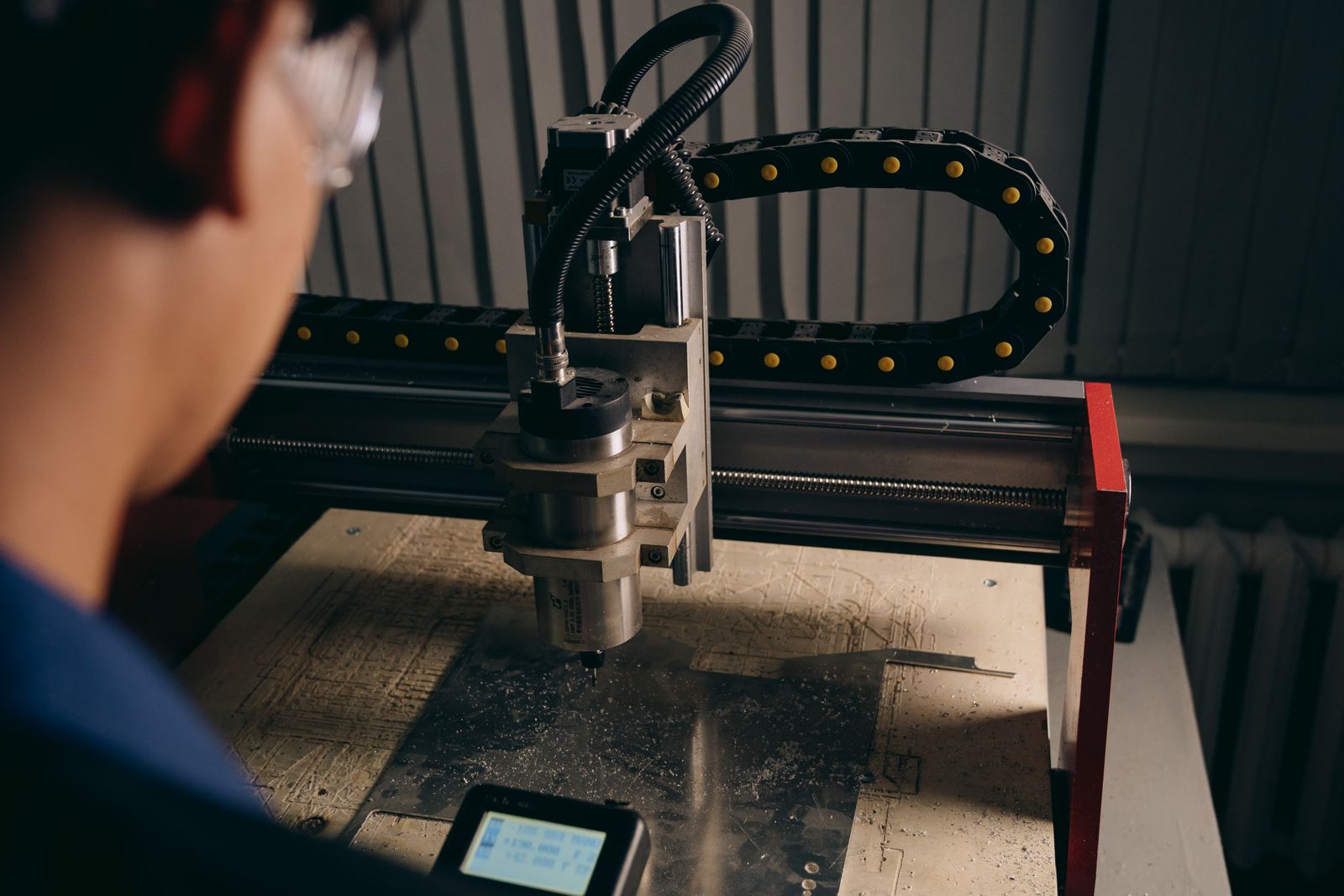
Manufacturing & engineering
Technical orders, product references and supplier documents, prepared for the next team to act.
Discuss your workflowAn illustrative workflow
Less document handling between sales, purchasing and operations.
What comes in
Technical enquiries, bills of materials and incoming orders
What comes out
Structured records with missing details and exceptions highlighted
A demonstration, using fictional records. Suitability and results depend on the project.
Define the scope before building.
We confirm the inputs, expected output, business rules, approval steps and exceptions with your team. The delivery approach is agreed in the conversation.
CONNECTED TO YOUR OPERATIONS
Your systems.
A clearer flow of work.
Keep your ERP, CRM and document systems at the centre. We define what the AI workflow can read, prepare and change—and where a person must approve the next step.
A practical architecture, agreed for each workflow.
Approved actions
Defined outputs and human approval points
AI Acquisition workflows
AI, business rules and exception handling
Your data and documents
Selected sources and access permissions
Your existing systems
ERP · CRM · DMS · email
Integration options depend on the tools, APIs and permissions available in your business.
HOW WE START
A small first scope.
A clear path forward.
We agree the delivery model, responsibilities and investment around your actual workflow.
Find your starting point- 01
Choose the workflow
Find a recurring task with enough volume, a clear owner and a measurable cost.
- 02
Check feasibility
Review sample inputs, system access and the business case. Define what success means.
- 03
Test the process
Run representative cases and review the outputs, exceptions and approval steps.
- 04
Agree the rollout
Set responsibilities, handover, monitoring and the next improvement priorities.
Questions before
you start.
What exactly do you help us automate?
Repeated work involving messages, documents and business systems: preparing orders, matching records, checking terms, handling customer requests and following up on open items. We start with one defined workflow.
Do we need to replace our existing software?
The aim is to work with your existing tools. Feasibility depends on the available integrations, data quality and access permissions. We check this before agreeing the implementation scope.
Will AI make decisions on its own?
We agree the boundaries for each workflow. Sensitive actions and uncertain cases can require human approval. Your team remains responsible for business decisions.
What does an engagement include?
That depends on your starting point and the workflow. In the initial conversation, we agree the outcome, delivery model, responsibilities and support required. You receive a defined scope before committing.
How do you calculate the return?
We compare the baseline with observed results: processing time, manual steps, quality and confirmed financial value. Estimates are labelled separately from verified results.
How much does it cost?
Pricing depends on complexity, integrations, volume and the support required. The first conversation is about identifying a sensible scope and a business case, not buying a fixed bundle.
How soon can we start?
Once the workflow, sample inputs and system access are understood, we can outline a realistic plan. Timing is agreed for the specific project rather than promised before the assessment.
LET’S LOOK AT YOUR WORKFLOW
What keeps your team
from moving forward?
Bring one repetitive process. We’ll look at the inputs, the bottleneck and the outcome worth pursuing.
Discuss your workflowWhat to prepare
One example of the work, the tools involved and a rough idea of the volume. That is enough for a useful first discussion.